Hoi An Ancient Town is not merely a destination; it is a feeling. As the sun dips below the horizon and the first silk lanterns begin to flicker into life, the town transforms into a living watercolor painting. Located along the banks of the Thu Bon River in Central Vietnam, this UNESCO World Heritage Centre site serves as a remarkably well-preserved example of a South-East Asian trading port dating from the 15th to the 19th century.
To walk through Hoi An Ancient Town is to walk through layers of history. Its yellow-washed walls, weathered by centuries of monsoon rains and tropical sun, tell stories of Japanese merchants, Chinese traders, and European explorers who all left their mark on this coastal enclave. Explore our private tours and transportation services to easily discover the region and experience its cultural heritage firsthand.

The Architecture of Hoi An Ancient Town
The true magic of Hoi An lies in its architectural harmony. Unlike many historical sites that feel like museums, Hoi An is a breathing community where the past and present coexist. The town’s layout reflects a unique blend of indigenous and foreign influences.
The Japanese Covered Bridge (Chùa Cầu) stands as Hoi An Ancient Town‘s most iconic landmark. Built in the early 17th century to link the Japanese community with the Chinese quarters, the bridge features a small temple dedicated to the Taoist god of weather. Its arched silhouette and weathered timber are a testament to the craftsmanship of an era when Hoi An was the “heart of the Silk Road on the Sea.”
Wandering further into the pedestrian-only streets, you encounter Assembly Halls built by Chinese congregations. The Phuc Kien Assembly Hall, with its grand gates and intricate dragon carvings, showcases the spiritual devotion of the Fujian community. These halls served as meeting places, temples, and social hubs, and they remain vibrant centers of worship today.
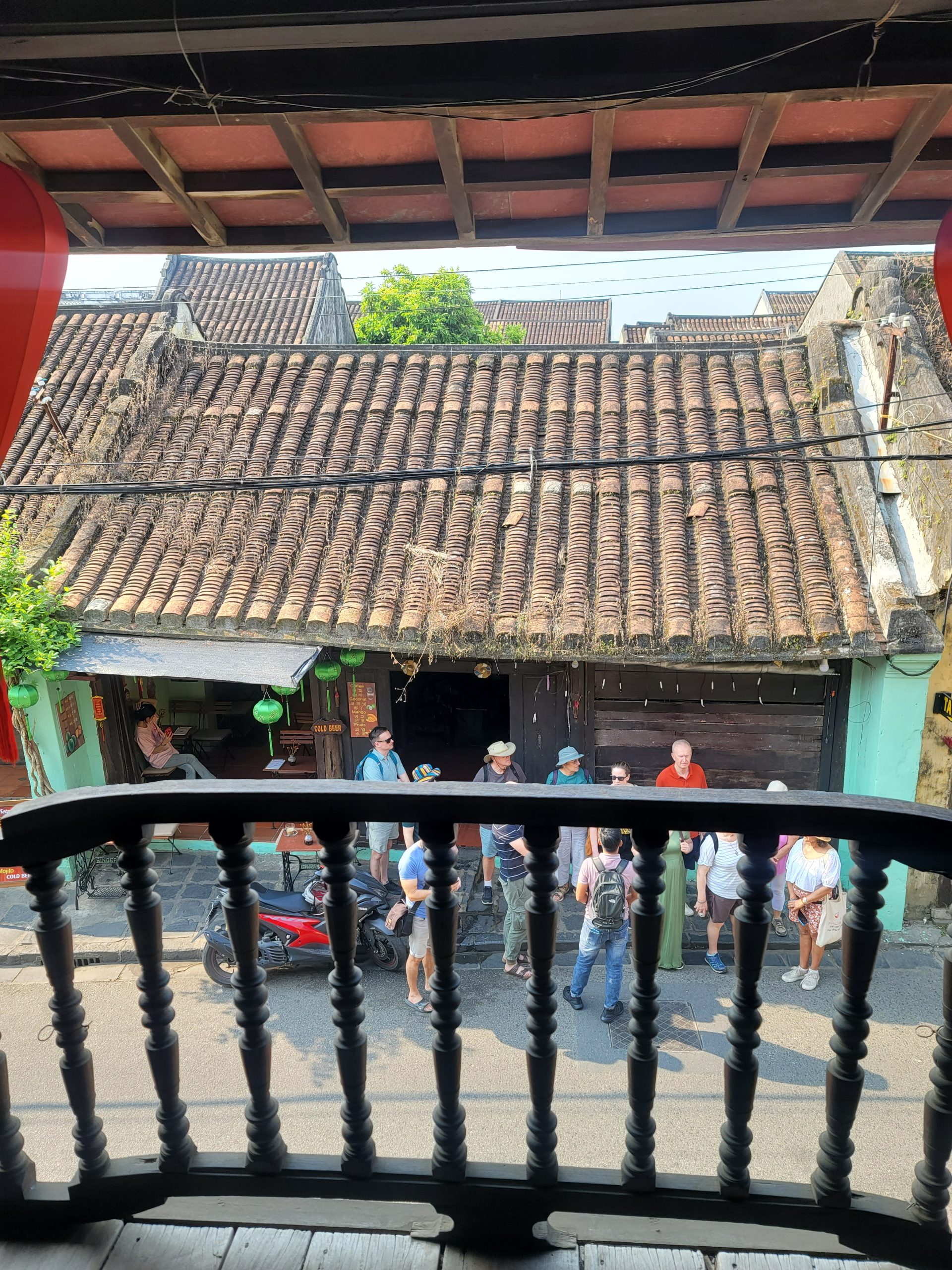
The Ancient Houses, such as Tan Ky or Phung Hung, offer a glimpse into the lives of wealthy merchant families. These homes are designed with a “tube house” layout—narrow fronts facing the street for commerce, and deep interiors with open courtyards that allow light and air to circulate, a necessity in the humid climate. The interiors are often adorned with mother-of-pearl inlays and dark wood carvings that have survived for over seven generations.
A Symphony of Silk and Light
If Hoi An has a signature aesthetic, it is the lantern. As evening falls, the town sheds its colonial-era daytime persona and adopts a festive, ethereal glow. The tradition of lantern-making in Hoi An dates back centuries, originally brought by Chinese settlers. Today, they are everywhere—strung across narrow alleys, hanging from the eaves of wooden shops, and floating gently on the river.
The Full Moon Lantern Festival, held on the 14th day of every lunar month, is a spectacle of light. On these nights, the town turns off its electric lights, allowing the soft radiance of silk lanterns to take center stage. Locals and visitors alike gather by the river to release small paper lanterns with candles, sending wishes drifting downstream. It is a moment of collective quietude that feels increasingly rare in the modern world.
The Culinary Soul of the Central Coast
No exploration of Hoi An is complete without diving into its kitchen. The food here is a distinct sub-genre of Vietnamese cuisine, shaped by the town’s multicultural history and the bounty of the nearby sea and fertile soil.
-
Cao Lau: This dish is the definitive taste of Hoi An. It consists of thick, chewy rice noodles, slices of succulent pork, crisp greens, and crunchy rice crackers. Legend has it that the authentic noodles must be made using water from the ancient Ba Le Well and ash from trees on the nearby Cham Islands. This hyper-locality makes Cao Lau something you can truly only experience here.
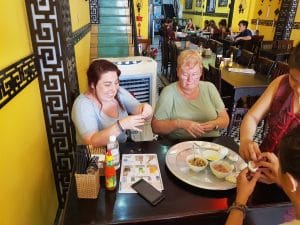
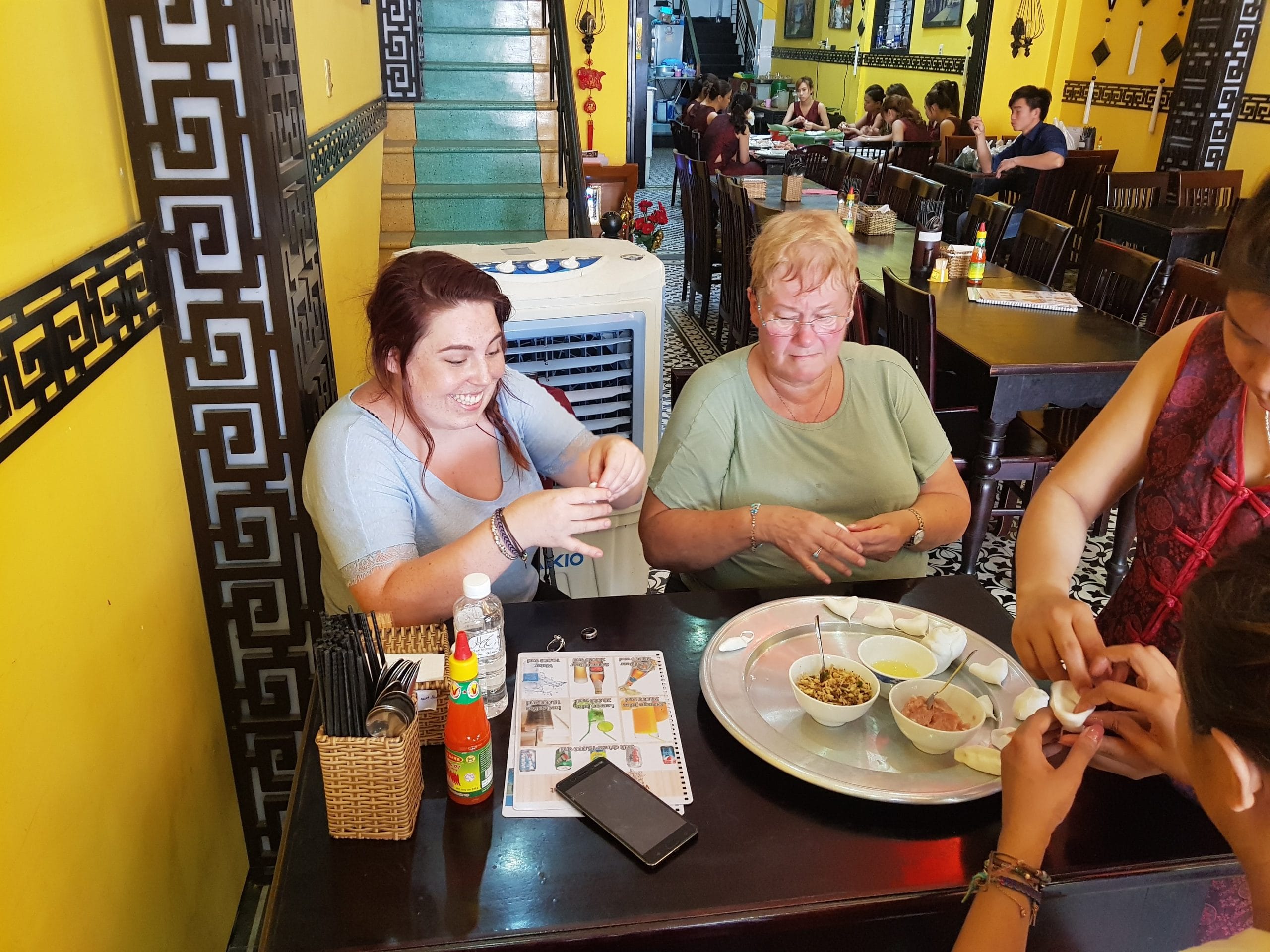
White Rose Dumplings (Banh Bao Banh Vac): These delicate translucent dumplings, bunched up to look like roses, are filled with minced shrimp or pork. They are topped with toasted garlic and served with a sweet and spicy dipping sauce.
-
Com Ga (Chicken Rice): While chicken rice exists across Asia, the Hoi An version is special. The rice is cooked in chicken broth with turmeric, giving it a vibrant yellow hue, and served with shredded chicken, herbs from the nearby Tra Que vegetable village, and a signature chili jam.
The dining experience in Hoi An ranges from sophisticated riverside restaurants to humble plastic stools on the sidewalk. Both are equally essential. Watching the world go by while sipping a glass of bia hoi (fresh beer) or a traditional Vietnamese iced coffee with condensed milk is a quintessential Hoi An pastime.
Craftsmanship and the Tailoring Legacy
Hoi An is often called the “Tailoring Capital of the World.” For centuries, the town was a hub for the silk trade, and that expertise has evolved into a thriving bespoke clothing industry. Within 24 hours, skilled tailors can craft everything from high-end Italian-style suits to flowing silk dresses.
But the craftsmanship extends beyond fabric. In the nearby Kim Bong Carpentry Village, artisans continue the woodworking traditions that built the town’s ancient houses. In Thanh Ha Pottery Village, you can watch potters use foot-powered wheels to create terracotta pieces using clay pulled from the riverbed. These craft villages remind us that Hoi An’s beauty was built by hand, and it is maintained by hands that still value the slow, meticulous pace of tradition.
The Rhythm of the River
The Thu Bon River is the lifeblood of Hoi An. In the early morning, it is a place of industry, with fishermen returning in their iconic round bamboo basket boats. By afternoon, it becomes a place of leisure. Taking a boat ride at sunset provides a different perspective of the town—the yellow facades reflecting in the water, the silhouettes of the palm trees, and the distant mountains of the Central Highlands.
Across the Cam Nam bridge, the pace slows down even further. Here, you can cycle through emerald-green rice paddies where water buffalo graze and herons take flight. The proximity of the town to An Bang Beach adds another layer to its charm. Just a short bike ride from the ancient center, the white sands and crashing waves of the East Sea offer a refreshing contrast to the dense, humid streets of the town.
Preserving the Golden Hour
Hoi An faces the challenges common to many popular heritage sites—the pressure of tourism and the threat of seasonal flooding. However, there is a resilient spirit here. The town has embraced sustainable practices, such as banning motorized vehicles from the old center for much of the day and encouraging the use of bicycles.
When you visit Hoi An, the best strategy is to get lost. Leave the map behind and wander into the quietest alleys. Sit in a hidden courtyard cafe. Listen to the sound of the wind chimes and the distant call of a street vendor selling che (sweet soup).
In the rush of the 21st century, Hoi An is a reminder of the beauty of “slow.” It is a place that asks you to pause, to notice the texture of a wooden beam, the scent of incense, and the way the light hits a yellow wall at 4:00 PM. It is a town that has mastered the art of aging gracefully, proving that while time moves forward, some things are worth keeping exactly as they are.